Dumping Syndrome After Gastric Bypass: Symptoms, Triggers, and Daily Management

Early vs. Late Dumping Syndrome: Key Differences and Triggers
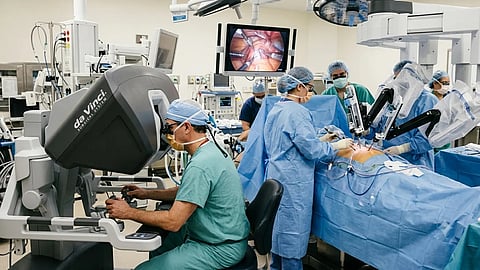
Assisted robotic surgery setup
Robotic surgery, also known as robot-assisted surgery, is a ‘minimally invasive’ procedure conducted by surgeons with the help of a machine through very small incisions.AI Image
Author:
MBT Desk
Published on: 
Updated on: 

Dumping syndrome after gastric bypass occurs when food moves too quickly from the stomach pouch into the small intestine, causing symptoms soon after a meal or a later drop in blood sugar. It can cause cramping, diarrhea, sweating, dizziness, a racing heart, or weakness. Recognizing when symptoms start can help you identify the pattern and adjust your meals. This article explains the two types, common triggers, practical eating habits, and signs that you need medical advice.

Early dumping usually begins 10 to 30 minutes after eating. Late dumping typically appears one to three hours after eating and is related to a rapid rise in blood glucose followed by an exaggerated insulin response that can cause blood sugar to fall too low. Some people experience both forms.

How Early and Late Symptoms Differ After a Meal
Early and late dumping differ mainly in when symptoms appear after eating and the types of symptoms they cause.

Early dumping syndrome tends to produce digestive and circulation-related symptoms. Late dumping syndrome is linked to low blood glucose, so shakiness, sweating, weakness, confusion, or fainting may be more prominent.

Foods and Eating Habits That Commonly Trigger Episodes

Concentrated sugar is a frequent trigger, and large portions or drinking with meals can make symptoms worse. With dumping syndrome after gastric bypass surgery, changing what and how you eat is usually the first treatment step.

  • Limit soda, fruit juice, sweets, desserts, and other foods or drinks high in added or rapidly absorbed sugars.

  • Be cautious with refined carbohydrates, including pastries, sweetened cereals, and some white-flour snacks.

  • Avoid very large meals. Larger meals can move more food into the small intestine at once and may make dumping symptoms more noticeable.

  • Separate drinks from meals because large amounts of liquid with food can speed the passage of stomach contents into the intestine.

Sugar limits vary between bariatric programs, so follow the nutrition guidance provided by your bariatric team and pay attention to which foods trigger symptoms. A food-and-symptom record can help identify your specific triggers.

Build a Daily Eating Routine That Reduces Dumping

Build meals around protein, then add fiber-rich or complex carbohydrates as tolerated.

  1. Eat five to six small meals instead of three large ones.

  2. Eat slowly and stop before you're uncomfortably full.

  3. Build meals around protein, then add fiber-rich or complex carbohydrates as tolerated.

  4. Keep concentrated sugars low, especially in drinks. Choose water or other unsweetened beverages when appropriate.

  5. Drink fluids between meals rather than with them. Follow your bariatric team's instructions on how long to separate fluids from meals, since recommendations can vary.

  6. For some people with early dumping symptoms, a clinician may recommend lying down briefly after eating to slow the movement of food into the small intestine.

These eating habits may reduce rapid gastric emptying and help limit the blood glucose changes associated with late dumping. Don't skip meals or keep cutting out more foods without guidance, because severe restriction can make it harder to maintain adequate nutrition.

When Dietary Changes Aren’t Enough

Recurrent or severe symptoms should be assessed by a healthcare professional, especially if they interfere with eating, daily activities, or weight maintenance. Diagnosis usually begins with a review of your symptoms, when they occur in relation to meals, and your surgical history. Additional testing may be used when the cause of symptoms is unclear.

If diet changes don't control symptoms, medication may be considered. Acarbose can help some people with late dumping, while octreotide may be used when other measures aren't enough. These treatments need medical supervision.

Frequently Asked Questions

Can dumping syndrome happen years after gastric bypass?

Yes, dumping syndrome can develop years after surgery. If meal-related symptoms begin long after surgery or start happening repeatedly, discuss them with your bariatric team to confirm the cause.

Is dumping syndrome the same as low blood sugar after gastric bypass?

No. Low blood sugar is most closely associated with late dumping, while early dumping has a different mechanism and occurs much sooner after eating.

Can dumping syndrome go away on its own?

Yes, many people with mild dumping syndrome improve with changes to how and what they eat. Persistent or severe symptoms still need medical assessment.

What should I do during a dumping syndrome episode?

Sit or lie somewhere safe and follow the episode plan given by your healthcare team. Severe confusion, fainting, or suspected significant low blood sugar needs prompt medical attention.

When should I call my doctor about dumping syndrome?

Contact your doctor if episodes are frequent, severe, worsening, or causing weight loss or difficulty maintaining adequate food and fluids. Fainting or significant low-blood-sugar symptoms also warrant medical assessment.

Conclusion

Keep a food-and-symptom record for several days, noting what you ate, portion size, and when symptoms began after the meal. Review repeated triggers in the record and discuss ongoing episodes with your bariatric team before removing additional foods from your diet. Smaller meals, less concentrated sugar, and separating fluids from meals are common starting points for managing dumping symptoms.

MBTpg/MSM

Assisted robotic surgery setup
Binge Eating Disorder: How It Differs From Overeating, Symptoms and Treatment
