- Home
- About Us
- Contact Us
- Biography
- MedBound Hub
- InternshipInternship
- Daily Pulse
- Medicine
- Physical Therapy
- InterviewInterview
- Pharmacy
- Biotechnology
- College/InstituteCollege/Institute
- Dentistry
- Blog
- Wellness & Nutrition
- Nursing
- Opinion

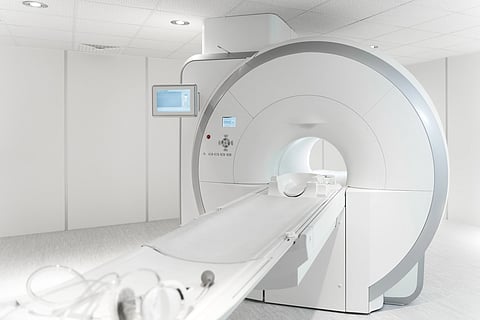
The landscape of drug development and precision medicine is rapidly evolving. As new therapies emerge, the demand for precise, safe, and efficient methods to monitor biological processes has never been higher. Non-invasive imaging has become a cornerstone in this shift, enabling researchers and clinicians to visualize, track, and quantify disease progression and therapeutic response without the need for invasive procedures.
Traditional drug development often relies on invasive sampling, biopsies, or post-mortem tissue analysis to evaluate therapeutic efficacy. These methods aren’t only labor-intensive but also pose ethical challenges and potential risks to patients or animal models. Non-invasive imaging techniques, such as MRI, PET, and CT scans, provide longitudinal data, allowing researchers to monitor the same subject over time. This continuous tracking reduces variability and accelerates the identification of promising therapeutic candidates, ultimately streamlining the development pipeline.
One of the most significant advantages of non-invasive imaging is its ability to reduce patient burden. Frequent biopsies or surgical interventions can be physically taxing and carry risks of complications. By contrast, non-invasive imaging provides detailed insights into internal physiology without causing harm, making clinical trials safer and more patient-friendly. This is especially important for vulnerable populations, such as pediatric or critically ill patients, who may not tolerate repeated invasive procedures.
Next-generation therapeutics increasingly focus on personalized approaches, targeting specific molecular pathways or genetic profiles. Non-invasive imaging allows for the precise characterization of disease at the molecular and cellular levels. For instance, advanced PET imaging can highlight tumor metabolism or receptor expression, while functional MRI can monitor brain activity changes in neurological disorders. These capabilities help clinicians tailor treatments to individual patients, improving therapeutic outcomes and minimizing adverse effects.
Before therapies reach clinical trials, preclinical studies in animal models are essential to understand pharmacokinetics, biodistribution, and potential toxicities. Non-invasive imaging offers a way to gather this data without sacrificing animal welfare, enabling longitudinal studies that track disease progression and therapeutic response in real time. Companies specializing in this field, like perceptive.com, provide advanced imaging solutions for preclinical research, empowering scientists with high-resolution insights that inform clinical strategies.
Early detection of disease significantly improves treatment outcomes, particularly in oncology, cardiovascular disease, and neurodegenerative disorders. Non-invasive imaging technologies allow clinicians to identify pathological changes before they manifest as symptoms. Moreover, these techniques provide a non-disruptive way to monitor how patients respond to therapy, enabling rapid adjustments to treatment plans. This dynamic monitoring is essential for next-generation therapeutics, where efficacy can vary based on individual biology and disease stage.
Regulatory agencies are increasingly recognizing the value of imaging data in supporting therapeutic claims. Non-invasive imaging can generate robust, quantifiable evidence of drug efficacy and safety, reducing reliance on large, invasive trials. By providing high-quality, longitudinal data, imaging can help accelerate regulatory approval, bringing innovative therapies to patients faster.
Non-invasive imaging is no longer just a supplementary tool in drug development; it’s a critical driver of innovation in next-generation therapeutics. From enhancing drug development efficiency to supporting personalized medicine, this technology bridges the gap between preclinical research and clinical application. As therapies become more targeted and complex, the role of non-invasive imaging will continue to expand, ensuring safer, more effective, and patient-centered approaches to healthcare.
MBTpg