The World Health Organization (WHO) has warned about potential health risks after reports of “black rain” in parts of Iran, following airstrikes on oil refineries and storage depots during the ongoing conflict involving Israel.
According to UN officials and health experts, thick smoke and pollutants released by burning oil facilities may mix with atmospheric moisture and fall back to the ground as dark or oily precipitation, sometimes described as “black rain.” Reports from local residents and media outlets indicated that dark rain fell in several areas after large fires broke out at damaged oil installations.
The WHO said such pollution events could pose health risks, particularly for people exposed to smoke, toxic particles, and chemical residues released during large industrial fires.
Following strikes on oil infrastructure, large plumes of smoke were seen rising from storage depots and refinery facilities. When petroleum products burn, they release a mixture of pollutants including Sulfur dioxide, Nitrogen oxides, and fine airborne particles known as Particulate matter.
These substances can travel through the atmosphere before eventually settling on land or mixing with rainwater.
According to UN World Health Organization spokesperson Christian Lindmeier, "black rain and acidic rain that has been falling in Iran is indeed a danger for Iranians.
United Nations officials warned that, the dark precipitation reported in some areas may contain soot and other pollutants generated by burning crude oil and petroleum products. Such fallout can contaminate air, soil, and water sources.
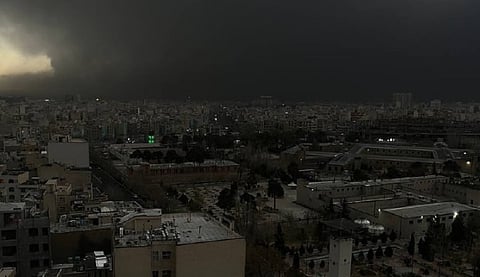
The WHO has warned that exposure to pollutants from large oil fires can affect human health in several ways.
Short-term exposure to contaminated air may cause:
coughing and throat irritation
headaches
worsening symptoms in people with asthma or chronic lung disease
Fine particles known as PM2.5, a type of microscopic particulate matter, are particularly concerning because they can penetrate deep into the lungs and enter the bloodstream.
Large petroleum fires can also cause significant environmental damage. Soot and chemical residues may settle on farmland, vegetation, and water bodies.
Environmental scientists note that the combustion of crude oil can release Polycyclic Aromatic Hydrocarbons (PAHs), a group of chemicals formed during incomplete burning of organic materials. Some PAHs are known to have toxic or carcinogenic properties after prolonged exposure.
Such pollution events may require environmental monitoring to assess contamination levels in soil, water, and the atmosphere.
The WHO and the government have advised residents in Iran, to take precautionary measures to reduce exposure to polluted air.
Health authorities also emphasized the importance of monitoring air quality and assessing potential environmental contamination after major industrial fires.
(Rh)