- Home
- About Us
- Contact Us
- Biography
- MedBound Hub
- InternshipInternship
- Daily Pulse
- Medicine
- Physical Therapy
- InterviewInterview
- Pharmacy
- Biotechnology
- College/InstituteCollege/Institute
- Dentistry
- Blog
- Wellness & Nutrition
- Nursing
- Opinion

Dentistry has evolved far beyond routine check-ups and fillings. It now plays a central role in overall health, confidence, and quality of life. Modern dentistry is no longer just about treating teeth. It is about delivering clinical excellence in an environment that supports physical comfort, emotional wellbeing, and preventative health.
Read on to explore how the most respected practices understand that expertise and comfort are not competing priorities. They are complementary pillars of truly effective healthcare.
Oral health is deeply connected to general health. Research continues to show links between gum disease and conditions such as heart disease, diabetes, and inflammation-related illnesses. Poor oral hygiene can also affect digestion, speech, sleep, and even self-esteem.
Modern dental practices increasingly position themselves as partners in long-term health rather than providers of isolated treatments. Routine examinations can detect early signs of systemic conditions while preventative advice can reduce risks that extend beyond the mouth.
When dentistry is viewed through a health-focused lens, the importance of both precision and patient experience becomes even clearer.
Today’s dentists operate in a field shaped by technological innovation and ongoing research. Digital imaging, minimally invasive techniques, and advanced restorative materials have transformed treatment outcomes.
Expertise in modern dentistry includes:
Staying current with evolving clinical guidelines
Using evidence-based treatment plans
Investing in updated equipment and diagnostics
Pursuing continued professional development
Patients benefit from more accurate diagnoses, quicker procedures, and improved long-term results. However, technical skill alone does not define excellence.
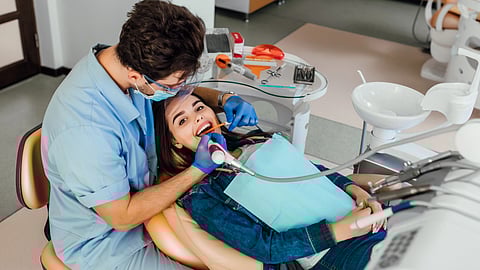
Health is not just biological. It is psychological and emotional too. Many people still feel anxious about visiting the dentist, often due to past experiences or fear of discomfort.
Modern practices are responding by placing greater emphasis on comfort. This includes:
Clear explanations before and during treatment
Gentle, minimally invasive approaches
Flexible appointment scheduling
Calming clinical environments
By addressing minor concerns before they escalate, dentists protect not only patients’ teeth but also their overall wellbeing. Prevention reduces stress, cost, and invasive procedures later on.
When patients feel relaxed and informed, they are more likely to engage with preventative care and maintain consistent attendance. This strengthens overall health outcomes.
One of the most significant shifts in modern dentistry is the emphasis on communication.
Rather than dictating treatment, dentists increasingly collaborate with patients. They explain options, outline benefits and risks, and encourage questions. This approach empowers patients to make informed decisions about their health.
Transparency builds trust. Trust improves adherence to treatment plans. And improved adherence leads to better long-term health.
A defining feature of modern dentistry is its preventative focus. Instead of waiting for pain or visible damage, practices encourage early intervention.
Preventative strategies may include:
Regular hygiene appointments
Personalized oral health advice
Early orthodontic assessments
Monitoring gum health carefully
By addressing minor concerns before they escalate, dentists protect not only patients’ teeth but also their overall wellbeing. Prevention reduces stress, cost, and invasive procedures later on.
The environment of a dental practice influences how patients perceive care. Cleanliness, organization, and a welcoming atmosphere all signal professionalism and safety.
Health-focused clinics understand that surroundings matter. A calm reception area and friendly team can significantly reduce stress levels, particularly for nervous patients. When patients feel physically and emotionally at ease, their overall healthcare experience improves.
For those seeking this balance between modern expertise and patient comfort in South London, exploring options such as a trusted dentist Balham can offer reassurance that both clinical excellence and compassionate care are priorities.
Technology does not only enhance precision. It can also improve comfort: digital impressions replace traditional molds in many cases; improved anaesthetic techniques reduce discomfort; and faster treatment methods shorten appointment times.
These advancements demonstrate that expertise and comfort often advance together. The most forward-thinking practices recognize that innovation should enhance patient wellbeing, not just clinical efficiency.
Modern dentistry continues to move towards integrated healthcare. Dentists increasingly collaborate with other health professionals, recognizing that oral health affects systemic health.
As awareness grows, patients are also becoming more proactive. They seek practices that provide reassurance, clarity, and high standards of care.
Balancing expertise and comfort is no longer optional: it is essential. Patients expect clinical precision delivered with empathy and respect.
Modern dentistry represents a shift from reactive treatment to proactive health management. It values science, skill, and safety, while also recognizing the human side of healthcare.
When expertise meets comfort, patients experience more than effective treatment. They experience confidence, trust, and long-term support for their overall health.
In this evolving landscape, the most successful practices are those that understand a simple truth. Great dentistry protects not only your smile, but your wellbeing, too.
MBTpg