What Do Toothbrush Bristle Colours Really Mean? Dentist Explain the Science

From toothpaste guides to wear indicators, the real purpose behind multi-coloured toothbrush bristles
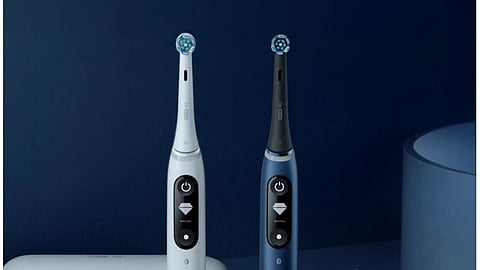
Two electric toothbrushes with round shaped end with bristles colored blue and white.
Manufacturers use coloured bristles for functional guidance rather than decoration. oralb - Instagram
Published on
Updated on

Toothbrush bristles often come in multiple colours, blue, green, white, or even fading shades, leading to widespread assumptions that these colours indicate brushing strength, cleaning power, or quality. While bristle colours are useful, they are not indicators of bristle hardness or cleaning efficiency. Instead, they serve practical and safety-related purposes rooted in oral health science.

Why Toothbrush Bristles Have Different Colours

Manufacturers use coloured bristles for functional guidance rather than decoration. According to dental product guidelines, the most common purposes include:

1. Toothpaste Placement Guidance

Many toothbrushes feature a central ring or patch of coloured bristles to:

  • Indicate the recommended amount of toothpaste

  • Help children and adults avoid overuse

This visual cue supports proper oral hygiene habits, especially for younger users or first-time learners.

A fresh toothbrush and a faded one after use.
Dentists generally recommend replacing a toothbrush every 3–4 months, or sooner if bristles fray. Oral- B

2. Brushing Zone Identification

Coloured bristles may highlight:

  • The center cleaning zone

  • Areas designed to apply optimal pressure

This helps users distribute brushing force evenly, reducing gum injury and enamel wear.

Colour-Changing Bristles: When to Replace Your Toothbrush

Some toothbrushes include colour-fading or colour-changing bristles called indicator bristles that:

  • Gradually lose colour with use

  • Signal when bristles are worn out

Dentists generally recommend replacing a toothbrush every 3–4 months, or sooner if bristles fray. Colour-change technology offers a visual reminder aligned with this guideline.

Color coding in toothbrush bristles, was introduced by Oral- B and patented in U.S. It also was awarded Edison award for the innovation.

Do Bristle Colours Indicate Hardness or Quality?

Dental experts emphasize that bristle colour does not reflect stiffness. Bristle hardness, soft, medium, or hard is determined by:

  • Bristle diameter

  • Material composition

Most dental associations advise using soft-bristled toothbrushes, as harder bristles can:

  • Damage enamel

  • Cause gum recession

  • Increase tooth sensitivity.

Are Bristle Colours Linked to Oral Health Conditions?

There is no scientific evidence that bristle colours:

  • Detect cavities

  • Indicate plaque levels

  • Reflect sugar intake or oral disease

However, discolouration of bristles over time may occur due to toothpaste dyes or food pigments and should not be confused with diagnostic signals.

What Dentists Say Matters Most

Oral health specialists consistently stress that effective brushing depends on:

  • Bristle softness

  • Proper brushing technique

  • Brushing duration (two minutes, twice daily)

  • Timely toothbrush replacement

Colour is a supportive design feature, not a clinical indicator.

Key Takeaway for Consumers

Toothbrush bristle colours are designed to:

  • Guide toothpaste use

  • Improve brushing technique

  • Indicate wear and replacement timing

They do not measure cleaning power or dental health.

Related Stories

No stories found.
logo
Medbound Times
www.medboundtimes.com
