
- Home
- About Us
- Contact Us
- Biography
- MedBound Hub
- InternshipInternship
- Daily Pulse
- Medicine
- Physical Therapy
- InterviewInterview
- Pharmacy
- Biotechnology
- College/InstituteCollege/Institute
- Dentistry
- Blog
- Wellness & Nutrition
- Nursing
- Opinion

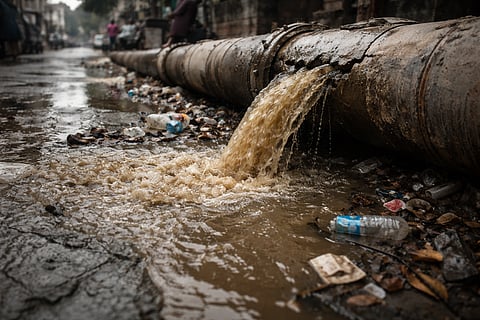
The recent contaminated water crisis in Indore has once again exposed the fragile foundations of urban public health in India. As reported, the mixing of sewage with drinking water triggered a diarrhea outbreak that claimed lives and sent hundreds to hospitals. The episode was not sudden or unpredictable. It was the direct consequence of systemic neglect of sanitation infrastructure, water safety monitoring, and environmental accountability.
According to verified reports, the outbreak followed contamination in the city’s water supply, leading to acute gastrointestinal illness, dehydration, and fatalities, particularly among vulnerable populations. Diarrheal diseases are well known to spread rapidly through unsafe water, yet such outbreaks continue to recur in Indian cities. Each time, authorities react after lives are lost rather than preventing the crisis in the first place.
Indore’s case is not an isolated failure. It reflects a wider pattern of disregard for civic amenities, sanitation, and environmental protection across urban India. In Delhi, residents endure toxic air pollution year after year and face persistent concerns over water quality and waste management. The Yamuna River, flowing through the heart of the national capital, has remained severely polluted and oxygen-deprived for years despite repeated promises of revival. If this is the state of affairs in the capital, the condition of water and sanitation systems in many other cities is easy to imagine.
Unsafe drinking water is not merely an environmental issue. It is a public health emergency that disproportionately affects children, the elderly, and the economically disadvantaged. Outbreaks of diarrheal disease are preventable with robust water treatment, regular quality testing, functional sewage systems, and transparent governance. The repeated failure to ensure these basic facilities points to deeper institutional apathy.
Access to clean water and good quality air should not be treated as privileges dependent on geography or income. They are fundamental to human dignity and survival. When citizens in major cities cannot trust the water from their taps, it raises an uncomfortable question about the future being shaped by current policies and priorities.
The Indore water contamination crisis should be seen as a warning, not an aberration. Without sustained investment in sanitation infrastructure, environmental protection, and accountability at every administrative level, such tragedies will continue to recur. The cost of inaction is measured not just in polluted rivers or emergency hospital admissions, but in lives lost to failures that are entirely preventable.
