Who Are The Most Famous Celebrities That Most People Do Not Know Attended Rehab?

Hidden rehab stories reveal how recovery happens quietly across Hollywood, music, and sports
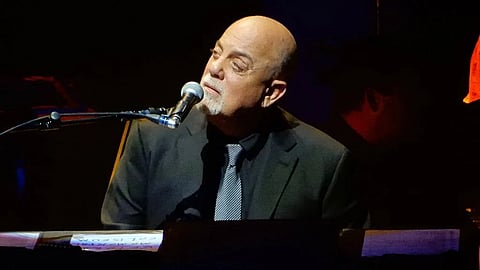
Billy Joel at the Newly Refurbished Nassau Veterans Memorial Coliseum
Billy Joel voluntarily entered treatment in 2002 and again in 2005, but these stays received minimal media coverage compared to other celebrity rehab stories of that era. slgckgc, CC BY 2.0, via Wikimedia Commons
Author:
MBT Desk
Published on
Updated on

When we think about celebrities entering treatment, certain names immediately come to mind. Robert Downey Jr.'s transformation story is legendary. Demi Lovato has been openly vocal about recovery. But countless other famous figures have quietly sought help for addiction and mental health challenges, keeping their journeys largely private or successfully out of the public eye.

The question of who are the most famous celebrities that most people do not know attended rehab reveals a fascinating truth about Hollywood, sports, music, and public life. Many household names have walked through the doors of treatment facilities without the fanfare that typically surrounds celebrity scandals. Their discretion often stems from timing, effective PR management, or simply an era when such matters weren't publicized the way they are today.

In this article, MedBound Times reviews how these hidden stories help normalize treatment-seeking behavior and demonstrates that recovery is possible regardless of fame or fortune. It also highlights how effective detox and rehab programs work across all demographics when individuals commit to the process.

The Comedians Who Found Sobriety in Secret

Dick Van Dyke's Quiet Battle

The beloved star of Mary Poppins and The Dick Van Dyke Show struggled with alcoholism for years during the height of his career. Van Dyke's addiction remained largely unknown to the public because he maintained his professional obligations and wholesome image throughout. He sought treatment in the 1970s and has been sober for decades, only opening up about his journey in later autobiographies.

His story demonstrates how someone can function at the highest levels of their profession while battling addiction, a phenomenon known as high-functioning addiction.

Tracey Ullman's Private Journey

The British-American comedian and actress, known for The Tracey Ullman Show, entered treatment for alcoholism in the 1980s. Her recovery story has remained relatively unknown compared to other celebrities of her era, partly because she continued working steadily and avoided the tabloid drama that often accompanies such revelations.

Musicians Who Recovered Without Headlines

Eric Clapton's Multiple Attempts

While Clapton has been open about his recovery in recent decades, many people don't realize he attended multiple rehab facilities before achieving lasting sobriety. His first attempts at treatment in the early 1980s were kept remarkably quiet, with only those in his inner circle aware of his struggles. The legendary guitarist founded the Crossroads Centre in Antigua, demonstrating his commitment to helping others find the path he discovered.

Billy Joel's Understated Recovery

The Piano Man's journey through rehab for alcohol addiction surprised many fans when it eventually became public knowledge. Joel voluntarily entered treatment in 2002 and again in 2005, but these stays received minimal media coverage compared to other celebrity rehab stories of that era. His matter-of-fact approach to addressing his drinking problem helped keep the narrative focused on health rather than scandal.

Athletes Who Sought Help Discreetly

The Pressure Cooker of Professional Sports

Professional athletes face unique pressures that can contribute to substance use disorders. Performance anxiety, physical pain from injuries, and the sudden loss of identity after retirement create perfect conditions for addiction to take hold.

Darryl Strawberry's Early Interventions

While Strawberry's later struggles became public, his initial rehab stays during his baseball career were kept relatively quiet by team management and the media. The baseball star's first treatment episodes in the late 1980s and early 1990s happened during a time when sports organizations worked harder to protect player privacy around addiction issues.

Hollywood's Best-Kept Secrets

Jane Fonda's Recovery Path

The Oscar-winning actress and activist has spoken about her struggles with bulimia and addiction, but many people remain unaware that she sought professional treatment. Fonda addressed her eating disorder and substance use through therapy and structured programs, though she rarely discusses the specific facilities or intensive treatment she received.

Her journey intersects with conversations about co-occurring disorders and how addiction often masks underlying trauma or mental health conditions.

Matthew Perry's Repeated Attempts

Before his tragic death, the Friends star had attended rehab over a dozen times throughout his life, though many of these stays flew under the radar during his peak fame years. Perry's first rehab visit occurred in 1997, during the height of the show's popularity, yet most fans had no idea. His battle with prescription medications and alcohol remained largely private until he chose to share his story publicly in later years.

The Impact of Fetal Alcohol Syndrome on Recovery Paths

Discussions about celebrity addiction sometimes intersect with broader conversations about neurodevelopmental conditions. Some famous figures linked to FAS have faced unique challenges in their recovery journeys, as the condition can affect impulse control and decision-making processes. This connection reminds us that addiction's roots are complex and multifaceted.

Why So Many Celebrity Rehab Stays Remain Unknown

The Power of Non-Disclosure Agreements

Many effective detox and rehab programs have strict confidentiality protocols that go beyond standard HIPAA requirements. Staff members sign comprehensive NDAs, and facilities may use coded systems to protect client identities. This institutional discretion allows famous individuals to seek help without fear of exposure.

Strategic Timing and PR Management

Publicists carefully control when and how information about rehab reaches the public, if at all. Some celebrities enter treatment during production breaks or scheduled downtime, making their absence less noticeable. Others may attribute their time away to exhaustion, a catch-all term that often masks mental health or addiction treatment.

The Changing Landscape of Celebrity Recovery

From Shame to Advocacy

The cultural shift around addiction and mental health treatment has been dramatic over the past few decades. Where once a rehab stay could end a career, today many celebrities leverage their recovery stories into advocacy platforms. This change has made treatment more acceptable, but also means older generations of celebrities may have completed treatment without anyone ever knowing.

Social Media's Double-Edged Sword

Modern celebrities face different challenges than their predecessors. Social media makes prolonged absences more noticeable and harder to explain. Conversely, platforms like Instagram and Twitter allow stars to control their narratives more directly, sharing recovery journeys on their own terms rather than through tabloid filters.

Lesser-Known Actors Who Found Treatment

Kristin Davis and the Power of Early Intervention

The Sex and the City star entered rehab for alcohol addiction in her twenties, long before achieving fame. Her proactive approach to addressing her drinking problem early in her career meant that by the time she became a household name, she had already established solid recovery foundations. This timing kept her rehab history out of the spotlight for years.

Colin Farrell's Quiet First Attempt

Before his 2005 rehab stay became public knowledge, Farrell had already sought treatment once before, earlier in his career. The Irish actor's initial attempt at recovery remained private, known only to close friends and family members who supported his decision to address his substance use.

The Role of Family in Hidden Recoveries

Family support systems often play crucial roles in keeping celebrity rehab stays private. When loved ones create protective boundaries around someone seeking treatment, the media have fewer access points for information. Additionally, family-owned treatment centers or private facilities recommended through trusted networks help maintain confidentiality.

What These Stories Teach Us About Recovery

Success Doesn't Require Public Declaration

These hidden recovery stories demonstrate that healing doesn't need to be public to be real. While celebrity advocacy has tremendous value in reducing stigma, private recovery paths are equally valid and often equally successful. The decision to share one's story should be personal, not pressured.

Treatment Works Regardless of Fame

Whether someone walks into a facility as a recognizable face or an anonymous individual, the fundamental principles of recovery remain the same. Commitment to the process, willingness to be vulnerable, and ongoing support determine outcomes far more than celebrity status.

The Future of Celebrity Treatment Privacy

As society continues evolving its relationship with addiction and mental health, the balance between privacy and advocacy will likely keep shifting. Some celebrities will continue choosing discrete treatment paths while others amplify their recovery voices. Both approaches contribute to the broader cultural acceptance of treatment-seeking behavior.

The question of who are the most famous celebrities that most people do not know attended rehab will probably always have surprising answers. For every publicized recovery story, numerous others remain known only to those directly involved, proving that healing happens in both the spotlight and the shadow.

MBTpg

Billy Joel at the Newly Refurbished Nassau Veterans Memorial Coliseum
Who Is Dr. Peter Attia? Celebrity Longevity Doctor Named in Newly Released Jeffrey Epstein Files

Related Stories

No stories found.
logo
Medbound Times
www.medboundtimes.com