
- Home
- About Us
- Contact Us
- Biography
- MedBound Hub
- InternshipInternship
- Daily Pulse
- Medicine
- Physical Therapy
- InterviewInterview
- Pharmacy
- Biotechnology
- College/InstituteCollege/Institute
- Dentistry
- Blog
- Wellness & Nutrition
- Nursing
- Opinion

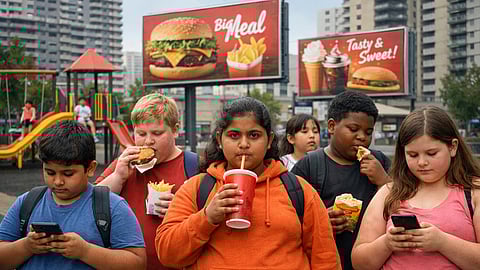
World Obesity Day is observed on March 4 every year and this year's theme is "8 Billion Reasons to act on Obesity" calling upon all the individuals from the world to fight against this looming health challenge. This year the focus is on Childhood obesity due to an alarming increase in its levels recently.
Childhood obesity is rising at unprecedented levels worldwide, according to the World Obesity Atlas 2026 1, released on World Obesity Day (4 March 2026) by the World Obesity Federation.
Globally, the proportion of school-aged children (5–19 years) living with overweight or obesity has risen from approximately 14.6 % in 2010 to 20.7 % in 2025.
For the first time in history, childhood obesity now exceeds underweight globally, reflecting shifts in diet, physical activity and lifestyle factors across regions, especially in low- and middle-income countries where the fastest increases are occurring.
India now ranks second globally in the absolute number of children living with overweight and obesity, trailing only China. According to estimates, in 2025:
14.921 million children aged 5–9 years in India were overweight or obese
26.402 million adolescents aged 10–19 years were overweight or obese
Combined, these figures total around 41 million school-age children in India living with high body mass index (BMI), including both overweight and obese categories.
Projections from the Atlas suggest that by 2040, around 20 million Indian children could be living with obesity and about 56 million with overweight or obesity.
The World Obesity Atlas 2026 and related analyses point to several drivers of rising childhood obesity:
Physical inactivity, with a high proportion of adolescents not meeting recommended activity levels
Unhealthy diets, including consumption of ultra-processed foods high in sugar and fat
Urbanisation and sedentary lifestyles
Suboptimal breastfeeding practices early in life
Environmental and marketing influences promoting calorie-dense, nutrient-poor foods
These factors interact with broader changes in food systems and daily routines to elevate obesity risk among children.
Childhood obesity increases the risk of several non-communicable diseases (NCDs) both in childhood and later in life. These include:
Type 2 diabetes
Hypertension (high blood pressure)
Elevated triglycerides and early cardiovascular disease markers
Metabolic dysfunction-associated steatotic liver disease (MASLD), formerly known as non-alcoholic fatty liver disease
By 2040, global projections estimate 57 million children could develop early signs of cardiovascular disease and 43 million could develop hypertension linked to high BMI.
Obesity in children is a key risk factor for chronic health conditions that were previously more common in adults. Early intervention and prevention strategies, including improved nutrition, increased physical activity, reduced marketing of unhealthy foods to children, and policies such as sugar-sweetened beverage taxes, are widely recommended by global health agencies to address this trend and fiercely advocated by scientists.
The World Obesity Atlas 2026 paints a stark picture, despite increased recognition, most countries are not on track to meet global targets to halt the rise in childhood overweight and obesity by 2030. The World Obesity Federation is seeking to change the trends on childhood obesity and it needs a clear revamp on policies for healthier eating and lifestyle for our kids. Childhood obesity is preventable, treatable, and reversible in its early stages, but only if governments act decisively and systemically.
Reference
World Obesity Federation. 2026. World Obesity Atlas 2026. Published March 4, 2026. https://data.worldobesity.org/publications/WOF-Obesity-Atlas-2026-2026-03-02.pdf.
