
Ask the Expert: Colorectal Cancer and Its Recent Prevalence Among Young People

Colorectal cancer, a type of cancer that affects the colon or rectum, is the second leading cause of cancer-related death and the third most common cause of death or type of cancer. It is the No. 1 cause of cancer-related death for men and women under 50. Roughly 1 in 24 people will develop colorectal cancer. Though declining in older adults due to screening, cases are rising by nearly 3% per year in adults under 50. While often asymptomatic in early stages, it is highly preventable through screening and highly treatable if detected early.
Colorectal cancer is the No. 1 cause of cancer-related death for men and women under 50
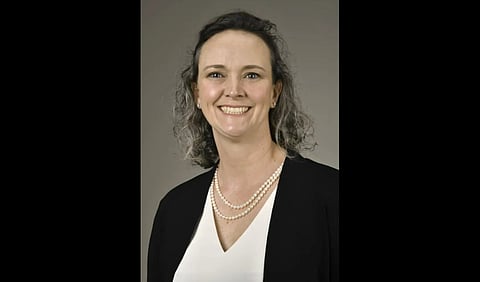
Marianne Cusick, MD, Associate Professor and H. Randolph Bailey, MD, Chair in Colorectal Surgery at McGovern Medical School at UTHealth Houston, and colorectal surgeon at UT Physicians and Memorial Hermann Hospital
What causes colorectal cancer?
Colorectal cancer is a disease that affects the cells lining the inner surface of the colon and rectum. Over time, these cells pick up mutations in key genes, resulting in uncontrolled or unregulated growth. Most cancers don’t appear out of nowhere; they usually evolve from benign lesions such as adenomatous polyps or serrated lesions that, given the right mix of mutations and environmental nudges, progress to invasive cancer. Inflammation, diet, metabolic factors, and even the microbiome act like supporting characters that can accelerate that progression.
Why is colorectal cancer increasing in young people?
This is one of those frustrating, “probably a bit of everything” answers. We are seeing a true rise in incidence under age 50 that isn’t fully explained by genetics — hereditary syndromes account for only a minority of cases. Likely contributors include rising obesity and metabolic syndrome, more sedentary lifestyles, dietary patterns heavy in processed foods and alcohol, low dietary fiber, early-life exposures (including antibiotic-driven microbiome shifts), and more cases of inflammatory bowel disease at younger ages. Increased awareness and diagnostics have helped find some cases, but the upward trend looks real and meaningful, which is why health care professionals are talking about lowering screening ages and staying vigilant. It is so important to monitor your body and get evaluated if you experience any changes.
Symptoms of colorectal cancer
Early cancers can be sneaky and are often symptomless, which is why screening matters. When symptoms do show up, they often include changes in bowel habits — think a new, persistent diarrhea or constipation — and rectal bleeding or blood in the stool. Unexplained iron-deficiency anemia with fatigue is a classic, subtle clue. Patients may also report abdominal cramping, bloating, a sense of incomplete evacuation (especially with rectal tumors), and unintended weight loss. Later signs of intestinal obstruction like nausea and vomiting suggest the tumor may be more advanced.
Risk factors of colorectal cancer
Risk comes from a mix of some things you can’t change and some things you can.
Nonmodifiable risks include increasing age, a personal history of adenomas or prior colorectal cancer, longstanding inflammatory bowel disease, a family history in a first-degree relative, and hereditary syndromes such as Lynch syndrome or familial adenomatous polyposis.
Modifiable risks are familiar: obesity, physical inactivity, diets high in red and processed meats and low in fiber, heavy alcohol use, smoking, and metabolic disease like Type 2 diabetes. Emerging contributors include certain microbiome patterns and prior pelvic radiation.
The takeaway: Screening plus lifestyle modification moves the needle for populations, and a good family history helps us catch high-risk individuals sooner.
Marianne Cusick, MD, associate professor and H. Randolph Bailey, MD, Chair in Colorectal Surgery at McGovern Medical School at UTHealth Houston, and colorectal surgeon at UT Physicians and Memorial Hermann Hospital.
(Newswise/AK)
