A 34-year-old ultra-marathon runner suffered a life-threatening “widowmaker” heart attack after initially dismissing his symptoms as heartburn caused by spicy Mexican food eaten on Valentine’s Day.
Mario Ciccarello, from Fort Lauderdale, Florida, began experiencing symptoms after celebrating Valentine’s Day on February 14 with his partner, Stephanie James, 38.
Shortly after the meal, Ciccarello noticed chest discomfort but attributed it to spicy food and fatigue from caring for his young children, Kennedy News reported.
The following day, while exercising outdoors, his condition worsened. He told his partner he needed to stop, saying it felt like his heart was “shutting down."
At one point, Stephanie James reportedly asked, “Are you dying?” a comment both initially brushed off, as noted by People.
However, within two hours, the pain intensified significantly, prompting an urgent trip to the hospital.
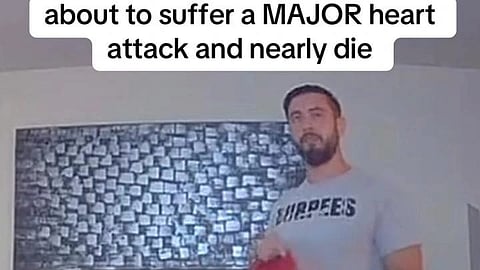
Doctors diagnosed Ciccarello with a widowmaker heart attack, caused by a severe blockage in the left anterior descending (LAD) artery, one of the most critical vessels supplying the heart.
Medical evaluation revealed a 95% blockage. Doctors immediately performed a procedure to insert two stents, restoring blood flow and stabilizing his condition the same day.
Despite experiencing classic warning signs, Ciccarello initially downplayed the severity of his symptoms.
He later said the pain radiated to his shoulder and left arm but still assumed it was not serious.
Describing the escalation, he said the pain returned “like a tidal wave,” becoming far more intense than before.
He also recalled a moment of fear, believing he might be seeing his child for the last time.
Ciccarello’s case is particularly striking because he was an ultra-marathon runner with no obvious signs of poor health.
Doctors suspect a genetic predisposition to heart disease, though further evaluation is ongoing.
He is now recovering and has been prescribed blood-thinning medication as part of his treatment.
A widowmaker heart attack occurs when the left anterior descending (LAD) artery gets blocked.
This artery supplies a large portion of the heart, making the condition highly life-threatening.
The blockage cuts off oxygen-rich blood, causing rapid heart muscle damage.
It affects a major artery, so the impact is more severe than many other heart attacks.
Plaque buildup (atherosclerosis) narrows the artery over time.
A sudden blockage can trigger a major cardiac emergency.
Chest pain or pressure
Pain spreading to the arm, jaw, neck, or back
Shortness of breath, sweating, nausea, or fatigue
Symptoms may feel like heartburn or indigestion
Every minute without treatment increases permanent heart damage.
Quick care can significantly improve survival chances.
Emergency procedures like angioplasty and stent placement restore blood flow.
Stephanie James later reflected on the incident, saying she initially believed his symptoms were due to exhaustion from sleepless nights caring for their children.
She expressed regret over not seeking immediate medical attention, acknowledging that delays can significantly worsen outcomes in cardiac emergencies.
Following his recovery, Ciccarello has begun sharing his experience to raise awareness that heart attacks can affect even young, physically active individuals, People reported.
A GoFundMe campaign has also been launched to help cover his medical expenses, raising thousands so far.
Reference:
Cleveland Clinic. 2022. “Dangers of a Widowmaker Heart Attack.” December 6, 2022. https://my.clevelandclinic.org/health/diseases/24507-widowmaker-heart-attack