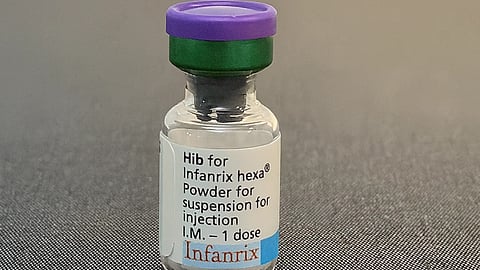
The hepatitis B vaccine is often described as the world’s first anti-cancer vaccine because by preventing chronic hepatitis B infection it reduces the long-term risk of hepatocellular carcinoma (liver cancer).
The original discovery of the Australia antigen (later identified as hepatitis B surface antigen, HBsAg) by Dr. Baruch Blumberg in the 1960s led to diagnostic tests and eventually to vaccine development. Recombinant (genetically engineered) hepatitis B vaccines were licensed in the 1980s and became standard in immunization programs worldwide.
Key public-health outcome: after routine neonatal/infant vaccination programs were implemented internationally and after the 1991 decision in the United States to give all newborns a hepatitis B dose soon after birth, pediatric hepatitis B infections fell sharply in countries with high coverage. The vaccine blocks progression to chronic infection, and because chronic infection is a major risk factor for cirrhosis and hepatocellular carcinoma decades later, birth-dose strategies are central to cancer prevention.
Current CDC guidance (longstanding) recommends a universal hepatitis B vaccine dose for all newborns within 24 hours of birth, regardless of mother testing positive or negative. The principal reasons are:
Newborn vulnerability: Infants infected perinatally (around the time of birth) have a very high risk of developing chronic hepatitis B (estimates often quoted: up to ~90% of infants infected at birth become chronically infected). Chronic infection carries substantial lifetime risks of liver disease and liver cancer.
Maternal testing limitations: Pregnant persons are screened for HBsAg, but negative tests early in pregnancy do not fully exclude later incident infection during pregnancy; false negatives and new infections in the third trimester are possible. A universal birth dose functions as a safety net against such gaps.
Horizontal transmission risk: Infants may acquire infection from infected household contacts or caregivers who are unaware of their infection; the birth dose provides early protection during a highly vulnerable period.
Because of these factors, the birth-dose policy is framed as a low-cost, high-benefit population-level intervention that reduces preventable chronic infections decades later.
A policy proposal is being discussed by Advisory Committee on Immunization Practices (ACIP), that could narrow or delay the universal birth-dose recommendation, specifically, to recommend skipping the birth dose for newborns whose mothers test negative for hepatitis B and instead begin routine infant hepatitis B immunization at a later age (for example, at two months). This would remove the safety net protecting infants whose mothers seroconvert late in pregnancy or whose maternal tests were false negatives, and that delaying the first dose could lead to additional pediatric infections.
Vaccination recommendations in the U.S. are made by the Centers for Disease Control and Prevention’s Advisory Committee on Immunization Practices (ACIP); ACIP guidance then informs CDC clinical recommendations and state immunization policy. Advisory committee deliberations can include votes to change official recommendations; these deliberations often involve presentations of new evidence, cost-benefit analyses, and public comment. Media reporting has noted that language and details circulating before a scheduled ACIP vote caused confusion and prompted that vote to be tabled until procedural or language issues are resolved.