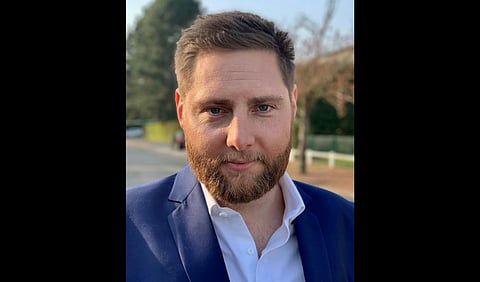
A cardiologist, Dr. Michaal Nedoszytko, has developed an artificial intelligence–based medical documentation platform without writing traditional code and secured a top-three position at Anthropic’s global hackathon. The development has drawn attention to the growing role of AI-assisted tools that allow healthcare professionals to build digital solutions more quickly.
The project was completed in February 2026 during the international competition, which reportedly received about 13,000 entries from participants worldwide.
The platform, known as PostVisit.ai, is designed to support patients after clinical consultations. It focuses on improving patient understanding of medical advice and follow-up care. According to reports, the system allows patients to:
Review their medical information
Understand clinician instructions
Access evidence-based educational resources
Integrate data from personal health devices
The tool aims to address a well-documented issue in healthcare: many patients do not fully retain or understand instructions given during medical visits.
The primary goal behind the platform was to improve continuity of care after outpatient visits. Communication gaps between clinicians and patients remain a persistent challenge globally. Studies in health communication have shown that patients frequently forget medication details and follow-up recommendations shortly after consultations.
By creating a structured post-visit support system, the developer sought to reinforce clinical instructions and improve patient engagement outside the hospital setting.
The cardiologist reportedly used AI-assisted development tools rather than conventional programming methods. These tools can generate functional software components through natural language prompts and guided workflows.
This approach significantly reduces the technical barrier for clinicians who want to build digital health solutions but lack formal coding training. The hackathon result demonstrates how subject-matter experts can increasingly participate directly in health technology development.
Administrative workload and documentation burden remain major contributors to clinician burnout. AI-supported documentation and patient communication tools are being actively studied as potential solutions.
From a healthcare systems perspective, platforms like PostVisit.ai represent an emerging category of “agentic” AI tools that aim to automate routine information delivery and patient guidance. However, competition success alone does not establish clinical effectiveness.
Before real-world deployment, such tools typically require:
Clinical validation
Data privacy and security review
Regulatory compliance
Integration with electronic health record systems
The hackathon outcome highlights a broader shift in digital health innovation. AI-assisted development is enabling faster prototyping by clinicians who directly understand workflow gaps in patient care.
Whether this specific platform becomes widely adopted will depend on future testing, safety evaluation, and regulatory approval. Nevertheless, the event underscores how artificial intelligence is changing not only patient care tools but also who can build them.
(Rh/SS/MSM)