
- Home
- About Us
- Contact Us
- Biography
- MedBound Hub
- InternshipInternship
- Daily Pulse
- Medicine
- Physical Therapy
- InterviewInterview
- Pharmacy
- Biotechnology
- College/InstituteCollege/Institute
- Dentistry
- Blog
- Wellness & Nutrition
- Nursing
- Opinion

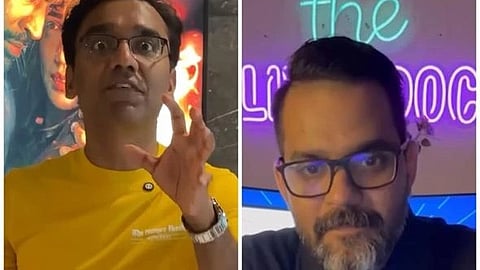
A public exchange between two doctors on social media has brought attention to how medical professionals communicate nutrition recommendations online. Dr. Palaniappan Manickam, known on social platforms as Dr. Pal, a lifestyle and metabolic health educator, a California based gastroenterologist responded to criticism about an Instagram reel created by him with his family. The dispute involved when another medical influencer Theliverdr (The Liver Doc) commented regarding the reel, statements about ultra-processed foods like chicken nuggets and popcorn.
The disagreement unfolded on Twitter/X, where each doctor addressed tone, intent, and the nature of evidence behind nutrition messages. This exchange has drawn interest from health communicators and members of the public following physician voices in online health discussions.
Dr. Palaniappan Manickam is a gastroenterologist, and social-media health educator focusing on lifestyle medicine, nutrition, metabolic health, and practical recommendations. In his online profile, he emphasizes simplified communication, relatability, and humor as tools to make health information accessible. He also promotes a wellness program created by him called Newme.
In a social-media statement, Manickam defended his approach to online health education and clarified the intent behind the reel. He also described his background, citing two decades of clinical experience and an alumni award for academic excellence presented to him by the father of the liver doctor who is also an established gastroenterologist.
Known online for commentary on nutrition and health and criticising nutrition supplements and Ayurveda, The Liver Doc is a hepatologist and a health influencer who has posted content critiquing certain dietary recommendations, liver health and viral nutrition claims.
In the Instagram reel created by Manickam, The Liver Doc criticized the “fearmongering” about processed foods, including popcorn and chicken nuggets. He highlighted that the viral post, despite garnering thousands of likes, reflected low critical engagement with the science underlying nutritional claims.
The exchange appears to have stemmed from differing perspectives on how to communicate about ultra-processed foods and everyday eating behaviors.
In his post, The Liver Doc referenced the viral reel, which he characterized as fear-based, suggesting that common snack foods such as popcorn and chicken nuggets would not harm the gut when had occasionally. He noted that the reel received significant likes on Instagram, signaling that sensational nutrition posts can attract attention regardless of scientific accuracy.
Dr. Manickam responded directly to criticism over his repost, stating it had been misunderstood. He emphasized that his original messaging about ultra-processed foods, included advocating against excessive consumption, aligns with guidance from major public health bodies and that occasional consumption of common foods like popcorn or chicken nuggets typically does not harm digestion.
He also articulated his philosophy on health communication, explaining that he uses simple language, storytelling, and occasionally humor to make science-based guidance more accessible.
Ultra-processed foods refer to industrial formulations containing additives, preservatives, and ingredients not typically used in home cooking. Research frequent links consumption of highly processed food to increased risk of obesity, cardiovascular disease, and metabolic issues. However, occasional consumption of common snack foods such as popcorn or chicken nuggets, particularly within a varied, balanced diet is not generally viewed by nutrition experts as inherently harmful.
The social-media exchange between Dr. Palaniappan Manickam and The Liver Doc over processed food messaging demonstrates how medical professionals use digital platforms to engage public audiences and how those interactions can become points of public debate. Their posts reveal differing communication styles and the challenges of translating complex nutrition science into messages that are accessible without oversimplification.
(Rh/TL)
