
- Home
- About Us
- Contact Us
- Biography
- MedBound Hub
- InternshipInternship
- Daily Pulse
- Medicine
- Physical Therapy
- InterviewInterview
- Pharmacy
- Biotechnology
- College/InstituteCollege/Institute
- Dentistry
- Blog
- Wellness & Nutrition
- Nursing
- Opinion

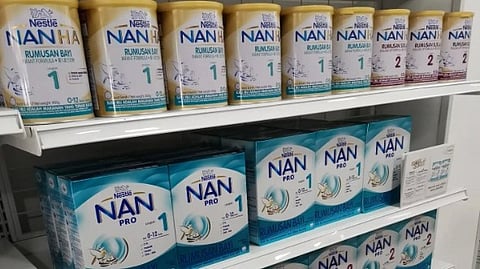
Swiss multinational food company Nestlé has issued a large-scale recall of certain infant and follow-on formula products sold in the United Kingdom, Europe, and other regions after detecting a possible contamination risk linked to a heat-stable toxin.
The products include several batches of SMA, BEBA, NAN, Guigoz, Nidal, and Alfamino branded formulas across Europe.
The recall stems from concerns that some arachidonic acid (ARA) oil used in production may contain cereulide, a toxin produced by some strains of the bacterium Bacillus cereus.
Cereulide is heat-resistant and cannot be reliably removed by boiling or preparation of formula, according to the UK Food Standards Agency (FSA).
The recall affects multiple European countries, including:
United Kingdom
France
Germany
Austria
Denmark
Italy
Sweden
Ireland
Norway
Switzerland
Finland
Specific batches of infant formula and follow-on formula manufactured in facilities such as the Netherlands have been listed as affected.
Nestlé has published batch codes on its website and is cooperating with national food safety authorities to remove these products from sale.
In the previous year, reports also claimed presence of much more added sugars in the baby fromula sold by Nestlé in low-income countries.
Regulatory bodies have warned that if consumed, cereulide can potentially cause symptoms of food poisoning, including:
Nausea
Vomiting
Abdominal cramps
Diarrhea
Malaise
While no confirmed illness cases have been reported to date, Nestlé and national authorities are proceeding with the recall as a precautionary safety measure. Parents and caregivers are advised not to feed formula from the affected batches to infants and to consult healthcare professionals if symptoms occur.
The company is providing refunds or replacements for affected products and is in contact with food safety agencies to manage the recall process.
Several months before this recall, Nestlé underwent a leadership change when then-CEO Laurent Freixe was dismissed in September 2025 following an internal investigation that found he had an undisclosed romantic relationship with a direct subordinate, which breached the company’s code of business conduct. Frequent executive changes have followed in quick succession, with Freixe’s successor Philipp Navratil appointed to steer the company forward.
Infant formula serves as a critical source of nutrition for babies who are not exclusively breastfed. It is designed to mimic the nutritional profile of breast milk and is often tailored for specific age ranges and dietary requirements.
Contaminants in formula can lead to serious health issues, particularly in infants whose immune and digestive systems are not fully developed. As such, manufacturers and regulators maintain strict safety standards and quality controls to ensure product safety.
The recall of Nestlé infant formula in the UK and Europe is a significant public health action taken as a precaution after potential toxin contamination was detected. Although no illness has been linked to the products so far, regulatory guidance urges extra caution to protect infant health.
This event comes amid ongoing corporate changes at Nestlé, including a notable leadership transition earlier in the year.
(Rh)
