
- Home
- About Us
- Contact Us
- Biography
- MedBound Hub
- InternshipInternship
- Daily Pulse
- Medicine
- Physical Therapy
- InterviewInterview
- Pharmacy
- Biotechnology
- College/InstituteCollege/Institute
- Dentistry
- Blog
- Wellness & Nutrition
- Nursing
- Opinion

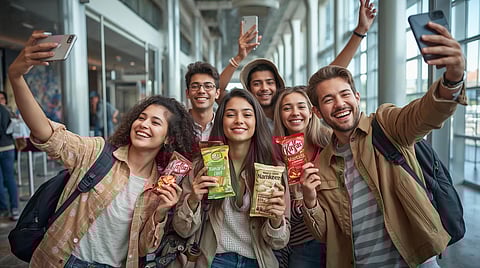
Once, travelers crossed borders to marvel at architectural wonders or collect handcrafted souvenirs. People would visit Paris to see Monalisa and Italy to get a glimpse at the leaning tower of Pisa. Trends have changed. Today, many are packing their bags for something far more different, snacks. The global trend known as “snack tourism” is reshaping travel habits, as people journey across continents to taste iconic regional treats.
Snack tourism, a growing offshoot of culinary and food tourism, focuses on travelers seeking out iconic local snacks and packaged treats during their journeys. Unlike traditional gastronomy tourism, which revolves around fine dining or regional cuisines, snack tourism is about accessible, portable, and often viral food experiences which can be accessed even from a supermarket store or corner stall.
The rise of limited-edition and culturally unique packaged foods, such as Japanese wasabi Kit Kats or Korean spicy noodles from grocery store, and overnight sensation of Dubai Kunafa chocolate, this reflects how global snacking has become a new cultural passport, blending gastronomy, convenience, and collectability in one trend.
According to Skyscanner’s 2025 Travel Report, more than 40% of Gen Z and millennial travelers now choose destinations based on popular social media food trends.
"Snackification” is a term used for Gen Z’s preference to graze on snacks rather than traditional meals; social media fuels many of these food choices and snack hack
Culinary or food tourism has long been an established travel motivator - emphasizing cultural immersion through food, local dining, and cooking experiences like farm-to-table dining in Tuscany to street food walks in Bangkok.
The World Tourism Organization (UNWTO) defines food tourism as “traveling for a taste of place in order to get a sense of place.”
However, snack tourism represents a more casual, fast-moving evolution of this idea. Instead of multi-course meals or cooking workshops, travelers now seek portable, ready-to-eat local specialties they can carry home or share online. The difference lies in scale and accessibility:
Food tourism involves restaurants, local markets, and gourmet experiences.
Snack tourism is about everyday, branded snacks - easily shared and taken home as edible souvenirs.
Social media platforms like TikTok and Instagram have amplified this shift, turning regional snacks into global sensations through short-form food reviews and “haul” videos.
The rise of snack tourism is marked by iconic items that have achieved cult status online:
Japan: Regional KitKat flavors such as matcha, sake, sakura and wasabi and different flavored rice crackers and convenience store desserts.
Dubai: Kunafa chocolate and camel milk chocolates are attracting Middle Eastern travelers.
Thailand: Mogu Mogu, a chewy fruit drink, and Tao Kae Noi seaweed snacks are leading exports.
South Korea: Korean convenience-store snack sets like seaweed, flavored nuts, Buns, noodles, and spicy ramyeon varieties are major draws for young food travelers. 10 won bread” waffle and character-driven snack items like honey butter chips are also trendy with K-pop or Asian cultural branding.
Australia: Tim Tams- a popular chocolate filled biscuits.
India: Cities like Delhi, Amritsar, and Indore are emerging as domestic snack tourism hubs, known for street eats and locally packed namkeens.
Snack tourism is primarily driven by Gen Z and millennial travelers, who are motivated by novelty, social media influence, and the desire for “snackable experiences.” These travelers value portability and shareability of the snacks and the digital content they generate. The trend is also rising among urban professionals and influencers who curate “taste trails” during short trips. Food vlogging has evolved mostly into these "haul" shorts.
Food Tourism Hotspots: Italy, France, Japan, Thailand, and Mexico are known for immersive cultural and culinary experiences.
Snack Tourism Hotspots: Japan, South Korea, Thailand, UAE (Dubai), and the U.S. (New York, Los Angeles) are famous for limited-edition snacks and viral food trends.
In India, snack tourism is finding ground in states like Kerala, Delhi, and Gujarat, where food trails blend street snacks with local heritage.
MedBound Times connected with Dr. Sashidhar Reddy Gutha, MBBS, MD (Internal Medicine), Consultant General Physician and Diabetologist, Yashoda Hospitals, Hyderabad. He has an experience of over 13 years and manages patients with lifestyle diseases, infections and respiratory diseases.
He shares his insights about the health implications of the snacking culture and food tourism.
According to the lifestyle diseases expert, the shift from home-cooked meals to frequent eating out is contributing significantly to the rise of lifestyle-related diseases among young adults.
“Earlier, people carried home-packed meals when traveling because food availability was limited. Now, even routine breakfasts are eaten outside. The rise in processed and high-calorie food intake increases the risk of diseases like diabetes and hypertension,” he explained.
He further noted that most processed or canned foods contain high salt content, leading to early-onset hypertension and other cardiovascular risks.
The doctor highlighted a worrying trend:
“We are now seeing people as young as 25 to 26 years old with borderline hypertension, raised cholesterol, or even early diabetes, conditions once typically seen after 45 or 50.”
He attributed this to sedentary lifestyles, irregular eating patterns, and frequent consumption of outside food.
“Some are found hypertensive or dyslipidemic even during routine pre-employment check-ups,” he added.
The expert pointed out that taste-enhancing additives in processed foods lead to overeating:
“When people try food with extra salt or sugar for the first time, they tend to eat more than usual or need. These excess calories convert to fat and contribute to obesity.”
He warned that obesity at a young age can accelerate other chronic conditions like heart disease and stroke later in life.
Discussing the trend of “snack tourism”, where young travelers explore destinations primarily for their local street food and culinary experiences the doctor cautioned that such habits, if unchecked, can be harmful.
“I’m not saying people shouldn’t explore food. But they should eat in small quantities, choose freshly prepared food, and avoid stored or refrigerated items,” he advised.
He also warned about foodborne infections such as gastroenteritis, typhoid, and dehydration, which often occur when travelers consume unhygienic or improperly handled food.
When asked about viral food trends like boba teas, matcha drinks, and other sugary beverages, the doctor remarked:
“Anything that looks too attractive in food should raise caution. High-sugar drinks might seem harmless but they increase calorie load and risk of diabetes.”
The expert emphasized that irregular meal timing also contributes to metabolic stress.
“If someone eats breakfast at 7 a.m. one day and 11 a.m. the next, the body cannot adjust. Meals should have consistent timing, small variations of 30 minutes are fine, but hours apart are not healthy,” he said.
The doctor outlined preventive steps to counter lifestyle diseases:
Maintain meal discipline and avoid skipping meals.
Limit processed and high-calorie foods.
Engage in daily exercise or sports.
Take regular breaks during desk work to reduce physical strain and improve circulation.
Stay hydrated to prevent cramps and maintain metabolism.
“Even young professionals or students should dedicate time to physical activity. Regular movement and hydration are crucial, especially for those with long sitting hours,” he concluded.
Snack tourism represents the intersection of travel, culture, and consumer behavior, transforming the way people connect with global cuisines. As travelers increasingly collect “snack souvenirs” instead of traditional memorabilia, the trend reflects not just changing appetites but also evolving definitions of cultural experience in the digital era which might reflect in the coming health patterns ahead too.
